

Scaffold Dismantling Safety And Security: Treatments to Follow
To guarantee scaffold taking apart safety, conduct extensive pre-dismantling examinations checking for damages and security. Secure tools and equipment effectively with regular checks and arranged storage space. Clear the work area to avoid hazards, set up cleanup treatments, and utilize the appropriate equipment for taking down actions. Examine post-dismantling integrity, examine the ground, and implement safety measures purely. Complying with these treatments is crucial for worker safety. Comprehending each step in the taking apart procedure is crucial for successful and risk-free scaffold taking apart. scaffolding planning & design
Pre-Dismantling Examination
Prior to starting the taking apart procedure, what key aspects should be checked during the pre-dismantling phase to assure safety and security and effectiveness? One pivotal aspect is carrying out a complete safety check to make certain that all security protocols remain in place and working correctly. This consists of analyzing guardrails, toeboards, and personal protective equipment to prevent falls and various other mishaps throughout the taking down procedure.
Another essential element to ponder throughout the pre-dismantling phase is examining the architectural security of the scaffold. It is essential to inspect the scaffold parts for any type of indications of damage or wear that might compromise its stability. This consists of monitoring for corrosion, rust, or any kind of defects that might weaken the scaffold framework.
Safeguarding Devices and Equipment
To assure the security and efficiency of the scaffold taking apart process, it is necessary to safely store and organize all devices and devices made use of during the procedure. Proper storage space and equipment maintenance are vital factors in making sure a smooth and hazard-free dismantling process. Here are some vital steps to adhere to:
- Mark specific storage space areas: Assign committed areas for each device and tools product to prevent clutter and complication. This method aids in very easy access and reduces the danger of locating scattered tools.
- Utilize tool belts or bags: Motivate employees to utilize device belts or pouches to bring crucial hand devices. This not just keeps tools safe however likewise permits hands-free movement on the scaffold.
- Implement normal equipment checks: Conduct regular assessments to guarantee that all devices remain in good functioning condition. Any type of damaged or malfunctioning tools must be quickly repaired or replaced to prevent mishaps.
- Safe loose equipment: Usage lanyards or secures to secure tools that positions a danger of falling from elevations. This safety measure decreases the risk of devices dropping and causing injuries to workers below.

Cleaning the Workspace
Making certain a clutter-free and organized workspace is essential before starting the scaffold taking down process to boost safety and security and performance. Website preparation is crucial in this phase to ensure a hazard-free environment for workers. Prior to beginning the taking down process, safety and security precautions have to be strictly stuck to, including the assessment of the work area for any kind of potential risks.
Particles elimination plays a vital function in keeping a risk-free work environment. Cleanup procedures should be developed and complied with diligently to prevent crashes triggered by sliding or tripping over products. Correct disposal approaches should be implemented to get rid of debris securely and efficiently.
Systematic Taking Apart Process
Carrying out a methodical strategy is crucial for the safe and effective dismantling of scaffolds on construction sites. By adhering to particular steps, workers can guarantee a smooth and safe process while taking down scaffolding frameworks. To achieve this, the adhering to techniques are suggested:
- Inspect the Scaffold: Before beginning the dismantling process, analyze the scaffold for any type of damages or wear that can threaten its stability. Deal with any problems discovered prior to proceeding.
- Remove Debris: Clear the scaffold of any kind of devices, products, or particles that can posture a threat during dismantling. Keeping the work area tidy improves security and ensures an effective operations.
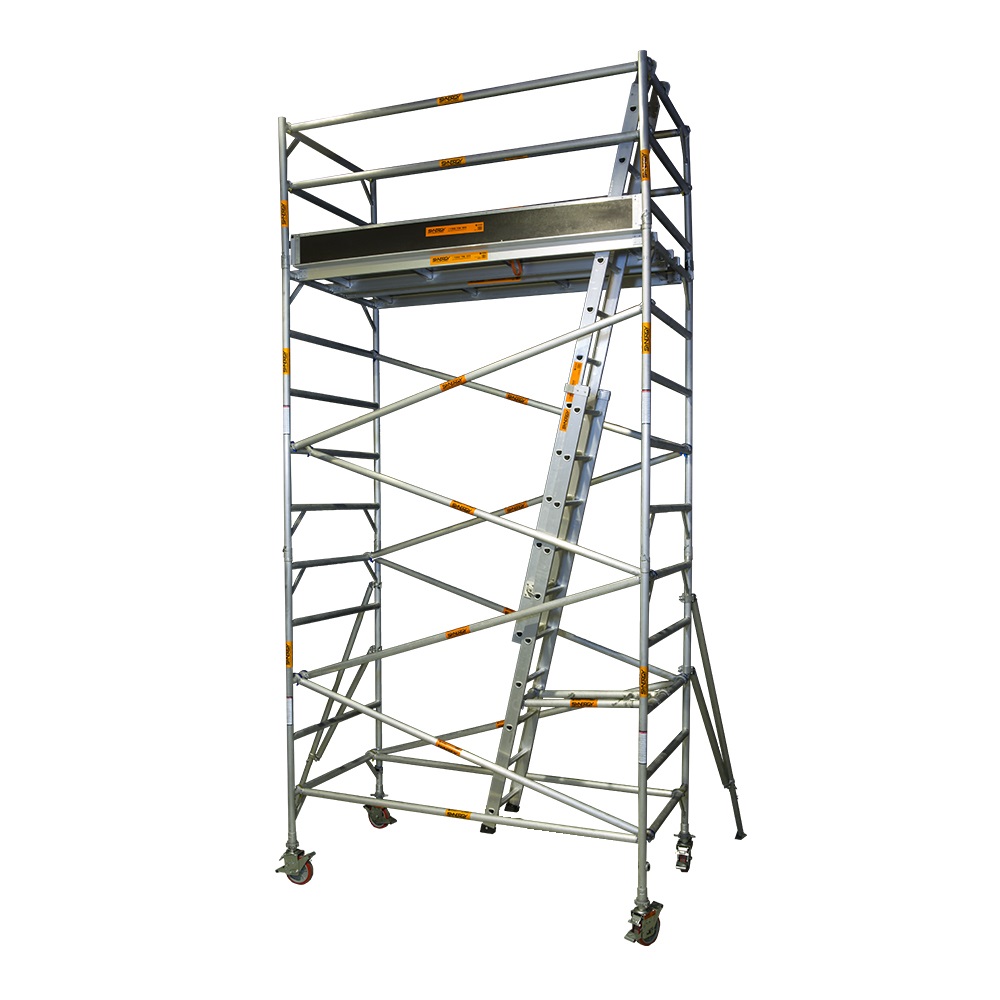
- Follow Sequence: Dismantle the scaffold in the reverse order of its setting up, complying with the manufacturer's guidelines. This systematic method minimizes the risk of mishaps and makes sure a methodical breakdown.
- Usage Appropriate Tools: Utilize suitable devices and equipment for every dismantling task. This technique promotes secure techniques and contributes to a reliable process.
Complying with these secure methods and keeping a reliable process is crucial for the effective dismantling of scaffolds on building and construction sites. https://beckenhamscaffolding.co.uk
Post-Dismantling Analysis
After finishing the taking apart procedure of scaffolds on building sites, a thorough post-dismantling assessment must be conducted to examine the architectural honesty and security of the taken apart areas.
The evaluation procedure entails checking out the condition of the ground where the scaffold was positioned, checking for any prospective damages to the bordering frameworks, and making sure that all debris has been properly removed to prevent dangers. Safety and security protocols need to be purely followed during this evaluation to alleviate dangers to workers and various other employees in the vicinity.
It is necessary to validate that no parts were left that could position a risk, such as loose fittings or unpredictable parts. In addition, carrying out a final evaluation to validate that all safety measures have been applied according to policies is vital.
Often Asked Inquiries
What Are the Effects of Not Following Appropriate Scaffold Taking Apart Treatments?
Not complying with proper scaffold dismantling procedures can result in extreme safety and security threats, such as falls and injuries. Furthermore, there are lawful effects, consisting of fines or fines for non-compliance with safety and security guidelines. It is important to focus on safety and security methods.
Exist Any Specific Training Demands for Employees Involved in Scaffold Dismantling?
Employee training for scaffold dismantling is essential to guarantee security. Particular training requirements consist of comprehending dismantling treatments, acknowledging threats, and using appropriate equipment. Safety and security precautions should be adhered to faithfully to avoid crashes and injuries.
Just How Frequently Should Scaffolds Be Examined for Potential Taking Apart?
The regularity of inspection for scaffolds before dismantling ought to straighten with policies and market ideal practices to guarantee safety and security. Implementing thorough analyses consistently, while sticking to safety preventative measures, aids mitigate threats and advertises a safe workplace.
What Should Be Performed With Harmed Scaffold Parts After Dismantling?
After dismantling, harmed scaffold parts need to be correctly assessed for salvage options. If salvage is not viable, think about recycling choices to deal with the materials responsibly. Focusing on safety and environmental awareness is vital in these techniques.
Exist Any Kind Of Rules or Guidelines Relating To the Disposal of Scaffolding Materials After Dismantling?
Disposal guidelines and waste monitoring standards exist to deal with the environmental impact of scaffolding materials post-dismantling. Recycling options deal lasting choices for throwing away scaffold components, ensuring conformity with regulations and promoting accountable waste management practices.
Conclusion
To summarize, sticking to proper scaffold dismantling procedures is crucial to ensure the safety of workers and prevent crashes.
By conducting a pre-dismantling evaluation, securing devices and equipment, getting rid of the workspace, complying with a methodical taking down process, and carrying out a post-dismantling assessment, prospective risks can be identified and mitigated.
It is important to comply with these standards to keep a safe workplace and avoid injuries.